
Virtual spaces enable youth to express themselves in various ways and connect globally. However, besides greatly impactful issues that are often addressed, such as cyberbullying and fake news, other harmful behaviours, namely cancel culture and trolling, can undermine social empathy and deteriorate the quality of online interactions.
Understanding the problem
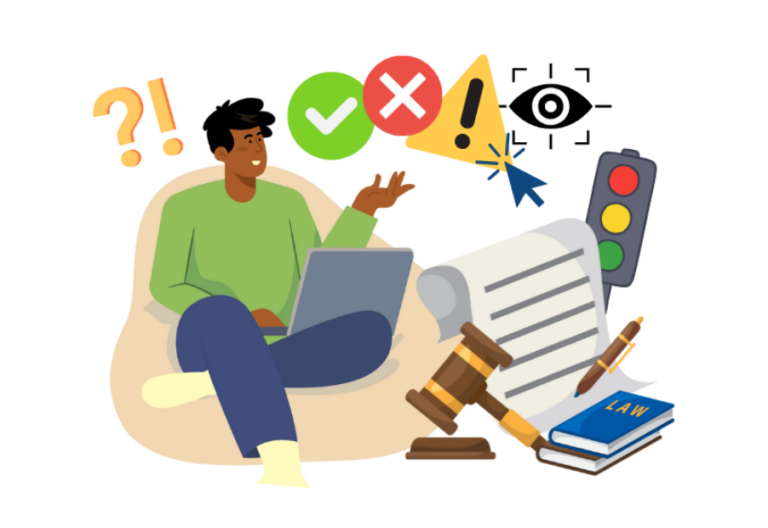
Cancel culture refers to the collective practice of withdrawing support from individuals, brands, or institutions after they’re perceived as problematic or commit an act deemed immoral, similar to boycotts. Originally intended as a form of social accountability, cancel culture has evolved into a sometimes punitive and excessive form of digital retribution. Instead of fostering reflection and change, it frequently results in disproportionate public shaming and social ostracisation of individuals whose acts have been misinterpreted or exaggerated.
Trolling, on the other hand, involves deliberately provoking or upsetting others online through inflammatory, offensive, off-topic, absurd or abusive comments. While some trolls act out of boredom or for entertainment and have a limited impact, others seek to target individuals or communities with harassment, threats, or hate speech, disguised in the form of mockery or “jokes” to justify the harsh consequences of such acts.
The impact on digital empathy
As detailed in previous articles, empathy, the ability to understand and share the feelings of others, is the foundation for respectful dialogue and conflict resolution. Social and digital empathy extend this idea into broader societal and modern contexts, enabling individuals to consider the lived experiences of people from different backgrounds or perspectives. In theory, the internet should be a catalyst for empathy by connecting diverse voices across the world and allowing information to be easily accessible, thus combating ignorance and prejudices. However, in practice, the rise of adverse behaviours like cancel culture and trolling seems to have the opposite effects:
1. Dehumanisation and echo chambers
Both cancel culture and trolling strip away the humanity of those involved. When someone is “cancelled”, they’re reduced to a single action or statement, with little room for nuance, redemption, or defence of potentially misinterpreted claims. This dynamic fosters an “us vs. them” mentality, where those who deviate from group norms or who make unclear, misleading or misinformed claims are vilified rather than engaged in constructive dialogue. Empathy is then sacrificed in favour of performative outrage.
Trolling, likewise, thrives where empathy is low. Trolls often hide behind anonymity and do not consider their targets as real people with feelings. As the Online Disinhibition Effect suggests, the lack of immediate social feedback in digital spaces can lead users to behave more aggressively or inappropriately than they would offline (Suler, 2004).
2. Empathy fatigue and desensitisation
The constant bombardment of scandals and conflicts can lead to empathy fatigue, a phenomenon where users become emotionally numb to the suffering of others and genuine empathy is replaced by cynicism or apathy. Youth, especially, may begin to see moral condemnation or accountability as entertainment or routine rather than an opportunity for growth, resulting in unnecessary and unfair “cancellations”.
3. Silencing vulnerable voices
While cancel culture is often framed as a tool for amplifying marginalised voices, it can also silence them. People from underrepresented groups may be disproportionately targeted or fear speaking out about certain issues due to the risk of backlash from their claims being misconstrued or turned against them. Trolling, too, disproportionately affects women, LGBTQ+ folks, disabled people and ethnic minorities, normalising discriminatory mindsets and contributing to a hostile digital environment that discourages civil participation and undermines digital citizenship skills (Jane, 2017).
Fostering empathy online
To counter these negative trends, digital citizenship education must prioritise media literacy, critical thinking, and empathic communication. Youth need tools to:
- Differentiate between accountability and mob justice.
- Recognise when content is designed to provoke outrage.
- Develop skills for resolving conflicts constructively.
- Reflect on how their online actions affect others emotionally.
Moreover, platforms also bear responsibility: features like comment moderation, reporting mechanisms, and prompts encouraging respectful discussion can help promote empathy-driven discourse. On the contrary, algorithms that boost content receiving high amounts of negative reactions and automated responses that don’t adequately evaluate reported content, can erode digital empathy and foster apathy.
In conclusion, cancel culture and trolling may appear as opposites – one a moral crusade, the other a mocking hobby – but both erode the empathetic fabric of online communities and can have deep consequences on individuals who witness, engage in or fall victim to them.
For digital citizenship to thrive, educators, parents, and tech companies must work together to champion empathy, reflection, and inclusive dialogue. Our DigiCity project resources aim to achieve this by providing engaging and dynamic materials for youth to take part in realistic situations and harness proper digital skills and online reflexes.
Stay tuned and discover our materials, games and resources to help youth be more responsible, humane and empathetic digital citizens!
References
- Jane, E. A. (2017). Misogyny Online: A Short (and Brutish) History. SAGE Publications. https://doi.org/10.4135/9781473916029
- Suler, J. (2004). The online disinhibition effect. CyberPsychology & Behavior, 7(3), 321–326. https://doi.org/10.1089/1094931041291295
- Ng, E. (2020). No Grand Pronouncements Here…: Reflections on Cancel Culture and Digital Media Participation. Television & New Media, 21(6), 621–627. https://doi.org/10.1177/1527476420918828
- Stevens, J., & Wessels, B. (2018). Reimagining digital citizenship via radical digital literacy. Policy & Internet, 10(1), 61–77. https://doi.org/10.1002/poi3.159